
The DentalBrace
Clinic & Implant Centre
Treatment Snapshot
Maxillofacial prosthetics is a highly specialized branch of dentistry that restores missing facial or oral structures caused by cancer surgery, trauma, or birth defects.
Why Patients Choose This
- • Maxillofacial prosthetics restore the fundamental ability to speak, swallow, and chew for trauma or cancer survivors.
- • Custom obturators seal cleft palates, preventing food and liquid from entering the nasal cavity.
- • Highly realistic facial prostheses restore patient dignity and aesthetic appearance.
When To Consider Alternatives
Maxillofacial prosthetics are highly specialized and not required for routine dental tooth replacement.
Post-Treatment Maintenance
Prostheses require meticulous daily cleaning and frequent adjustments by a specialist to maintain an optimal fit as tissues heal or change.
What is Maxillofacial Prosthetics?
Maxillofacial Prosthodontics is a highly specialized branch of dentistry dedicated to rehabilitating patients who have acquired or congenital defects of the head and neck. These defects often result from aggressive cancer surgeries (tumor resection), severe trauma (accidents), or birth defects (such as cleft palate). Losing a part of the face or jaw is a profoundly traumatic experience that impairs not only aesthetics but fundamental human functions like chewing, swallowing, speaking, and breathing. At The DentalBrace Clinic, Dr. Ritu Saneja utilizes her advanced specialized training to design and fabricate custom intraoral and extraoral prostheses. This includes Obturators (to close surgical holes in the roof of the mouth, allowing the patient to eat and speak normally), Mandibular Resection Prostheses, and artificial facial parts such as prosthetic eyes (ocular), ears, or noses crafted from lifelike medical-grade silicone. This is not merely cosmetic dentistry; this is life-changing rehabilitation that restores a patient’s dignity and ability to integrate back into society.
Signs You Need This Treatment
- ✓ Surgical removal of the jaw, palate, or facial structures due to cancer
- ✓ Inability to swallow food or liquids without it entering the nasal cavity
- ✓ Severe speech impairment following head/neck surgery
- ✓ Facial disfigurement from trauma or congenital defects
Possible Limitations
- Prostheses require meticulous daily cleaning
- Facial silicones degrade over time due to UV light and skin oils and must be remade every 1-3 years
- Extensive rehabilitation requires profound patience and multiple adjustments
Ideal Candidate
Patients who have undergone maxillofacial surgeries, trauma victims, or individuals born with craniofacial anomalies requiring structural and aesthetic rehabilitation.
Not Recommended For
Patients whose surgical wounds have not sufficiently healed to support a prosthesis, or patients undergoing active, heavy radiation therapy (timing must be coordinated with the oncologist).
Key Benefits
- Restores the fundamental ability to chew, swallow, and speak clearly
- Restores facial symmetry and aesthetics, greatly improving psychological well-being
- Closes surgical defects, preventing food/liquids from entering the nasal cavity
- Non-surgical rehabilitation when plastic surgery reconstruction is impossible
Step-by-Step Process
Multi-Disciplinary Consultation
We coordinate with your surgeon to understand the extent of the defect and plan the prosthesis.
Impressions & Modeling
Highly accurate, gentle impressions are taken of the defect area to create a master working model.
Wax Try-in & Sculpting
A wax prototype is tried in to check the fit, function, and aesthetics. For facial prostheses, the wax is hand-sculpted to match facial contours.
Fabrication & Color Matching
The final prosthesis is processed in medical-grade acrylic or silicone. It is meticulously hand-painted to mimic natural skin tones, freckles, or blood vessels.
Delivery & Maintenance
The prosthesis is fitted, and the patient is educated on how to insert, remove, and clean it daily.
Recovery & Expectations
Timeline: The prosthetic fitting itself requires no recovery time. However, patients must adapt to speaking and eating with the new prosthesis, which takes practice and patience.
Success Factors: Coordination with the patient’s surgical oncologist and ENT, Patient dedication to cleaning the prosthesis daily, Using medical adhesives or implants correctly for retention
When to Consult: Ideally, consultation should occur BEFORE cancer surgery so Dr. Ritu can fabricate a surgical obturator to be placed immediately during the operation.
Appointments: Highly variable. Requires initial impressions, multiple try-in sessions, and post-delivery adjustments.
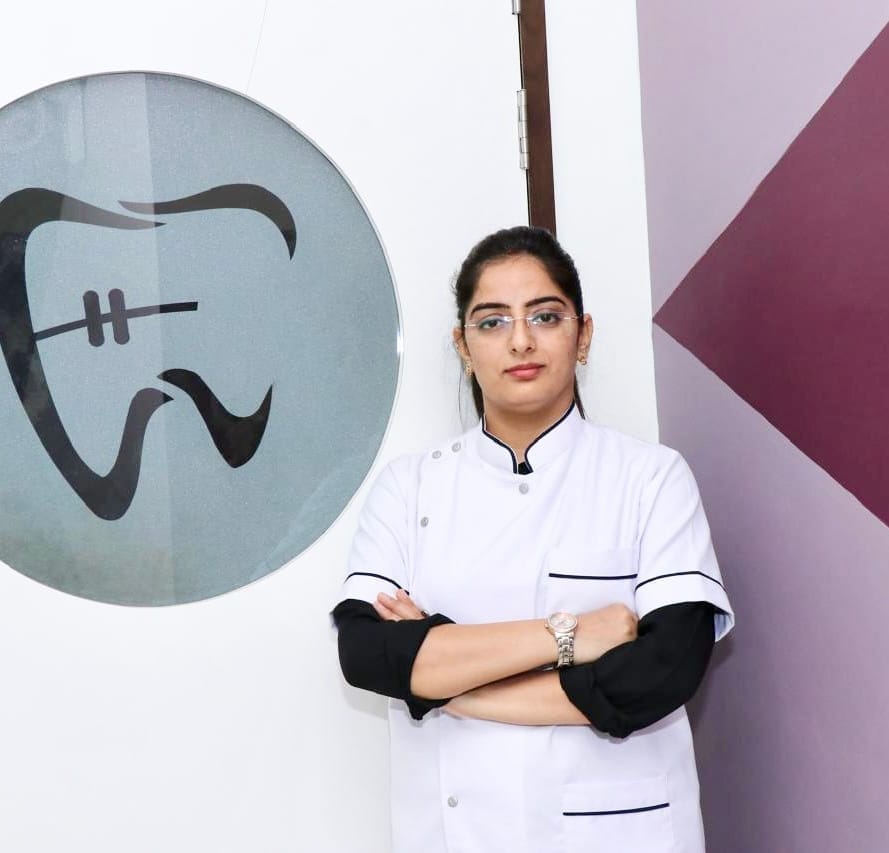
Rehabilitating a maxillofacial defect requires immense empathy and precision. My goal is not just to close a surgical gap, but to give my patients their confidence and quality of life back so they can eat and speak with their loved ones again.
Cost & Financing
*Final cost depends on clinical complexity determined during consultation.
- Cash
- UPI
- All Major Cards
- EMI Options
Clinical Outlook & Risks
- • Standard surgical/clinical risks apply. Discussed during consultation.
All medical procedures carry inherent risks. We utilize digital planning to minimize these, but patient compliance is mandatory for success.
Frequently Asked Questions
What is an Obturator?
An obturator is a custom acrylic prosthesis (similar to a denture) that covers a surgical hole in the roof of the mouth (palate). It separates the mouth from the nasal cavity, allowing you to eat without food going into your nose, and restores normal speech.
How does a facial prosthesis stay on?
Facial prostheses (like an ear or nose) can be retained using specialized skin-safe medical adhesives. For a more permanent and secure solution, small titanium implants can be placed in the bone, allowing the prosthesis to snap on magnetically.
How long does a silicone facial prosthesis last?
Because silicone is porous and exposed to sunlight, sweat, and environmental factors, the color edges will gradually degrade. They typically need to be replaced every 1 to 3 years to maintain a lifelike appearance.
Can I sleep with my prosthesis in?
No. All removable prostheses must be taken out at night to allow the underlying tissues to rest and to maintain proper hygiene, preventing fungal infections.
Appointment & Treatment Logistics
Extensive multi-disciplinary consultation and digital scanning required.
Multiple meticulous impression and trial visits.
Frequent adjustments required for optimal fit and comfort.
Explore Related Care
Conditions Treated
Common Problems We Solve
- • Missing facial structures due to surgery/trauma
- • Cleft palate making eating/speaking difficult
- • Need specialized obturator after tumor removal
Related Treatments
Treating Specialist
Prosthodontist & Implantologist
Clinical Technology
- Medical-Grade Silicone Elastomers
- Custom Shade Matching & Characterization
- Titanium Craniofacial Implants (for retention)